Understanding Different Types of Learning Disabilities: A Comprehensive Guide

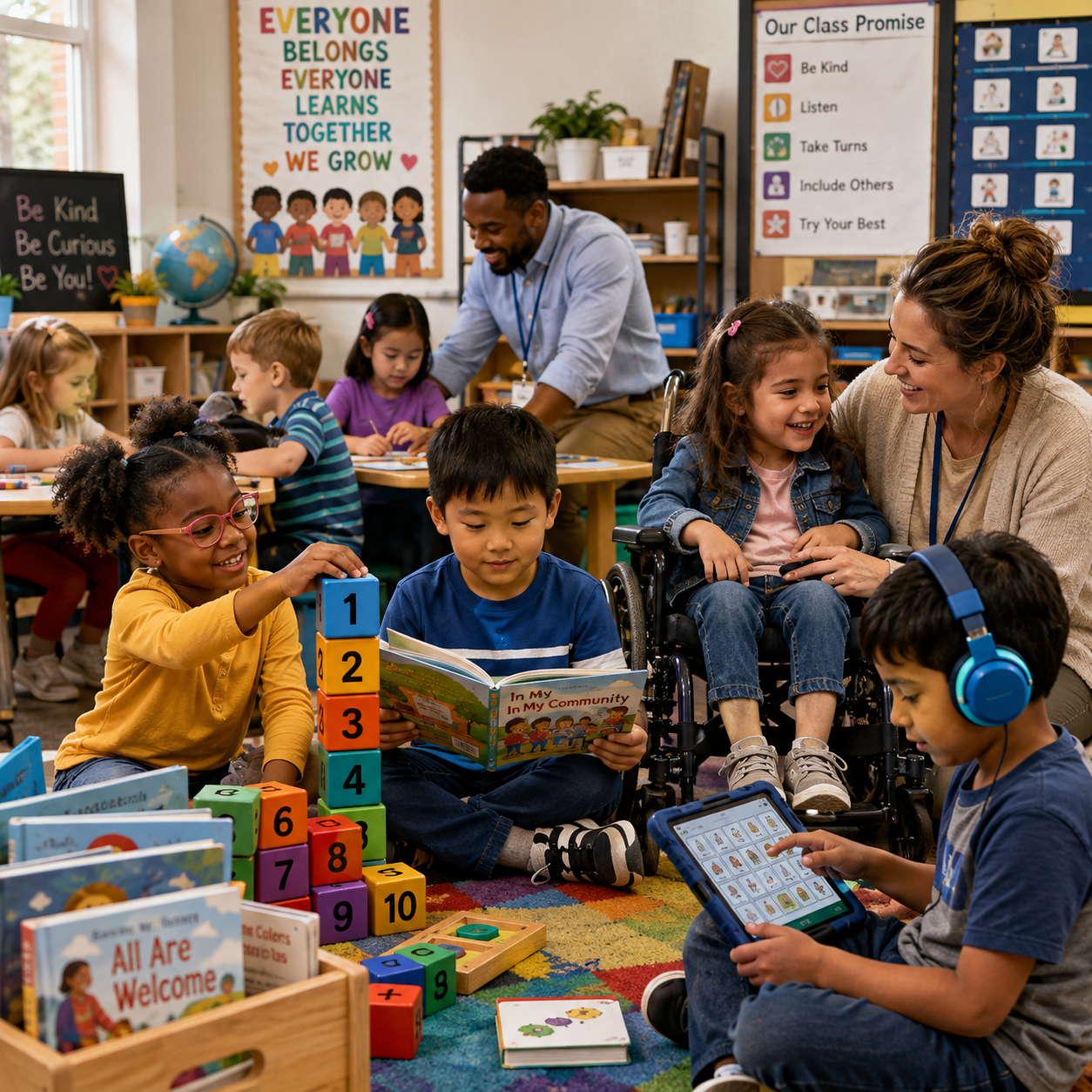
Learning disabilities can affect how a child reads, writes, understands spoken language, solves mathematical problems, organizes information, or coordinates movement. Recognizing the specific skill area involved helps families and educators choose support that builds both competence and confidence.
What Are Learning Disabilities?
Learning disabilities are brain-based differences that make particular academic or learning skills difficult, even when a child has appropriate teaching and average or above-average intellectual ability. They are not caused by laziness, poor parenting, or a lack of effort.
A child with a learning disability may understand a story when it is read aloud but struggle to decode the words independently. Another child may explain a mathematical idea verbally yet find written calculations confusing. These differences can be uneven, which sometimes makes them difficult to recognize.
Learning disabilities usually affect specific areas such as reading, written expression, mathematics, auditory processing, visual-spatial reasoning, attention to language, or motor coordination. They may occur alongside developmental differences, attention difficulties, speech and language needs, or emotional stress, but each child requires an individual understanding rather than a label based on a checklist.
Learning disabilities can influence school performance, homework, friendships, and self-esteem. With explicit instruction, suitable practice, assistive technology, and classroom accommodations, children can develop effective strategies and greater independence.
Common Types of Learning Disabilities
The main difference between learning disabilities is the skill area they primarily affect. Dyslexia commonly affects reading, dyscalculia mathematics, and dysgraphia written expression, while other conditions may influence listening, coordination, or nonverbal learning.
Dyslexia
Dyslexia is a reading-related learning disability that can affect accurate and fluent word reading, spelling, phonological awareness, and decoding. A child may confuse similar sounds, read slowly, omit words, or need considerable effort to recognize familiar words. Dyslexia does not reflect low intelligence; many children with dyslexia show strong reasoning, creativity, oral language, or problem-solving skills.
Dyscalculia
Dyscalculia affects learning and using mathematical concepts. Children may struggle to understand quantity, number relationships, place value, arithmetic facts, measurement, time, or multi-step calculations. They may also find everyday tasks such as estimating amounts or reading an analog clock unusually demanding.
Dysgraphia
Dysgraphia involves persistent difficulty with handwriting, spelling, written organization, or the physical process of producing written work. A child might write very slowly, tire quickly, space words unevenly, or express more complex ideas orally than on paper. Dysgraphia can involve language processing, fine-motor control, or both.
Auditory Processing Disorder
Auditory processing disorder, sometimes called central auditory processing disorder, affects how the brain interprets sounds rather than whether the ears can detect sound. A child may struggle to follow speech in a noisy classroom, distinguish similar words, remember spoken instructions, or identify where sound is coming from. Hearing evaluation is important because hearing loss and auditory processing concerns require different responses.
Nonverbal Learning Disability
Nonverbal learning disability is a term used to describe a pattern involving visual-spatial reasoning, motor coordination, organization, and interpreting nonverbal social information. A child may have strong vocabulary and verbal memory but struggle with maps, geometry, facial expressions, flexible problem-solving, or unexpected changes. Terminology and diagnostic approaches vary, so assessment should focus on the child’s actual strengths and needs.
Dyspraxia or Developmental Coordination Disorder
Dyspraxia, often discussed clinically as developmental coordination disorder, affects motor planning and coordination. Children may find handwriting, using scissors, tying shoelaces, dressing, sports, or navigating busy spaces difficult. These challenges can also affect classroom tasks when the child must copy from a board, organize materials, or complete work within a set time.
Signs and Challenges to Look For
Possible signs of a learning disability are persistent patterns that interfere with learning, not proof of a diagnosis. Look for difficulties that continue despite suitable teaching and occur across relevant situations.
- Reading: slow or inaccurate reading, difficulty connecting letters with sounds, weak spelling, or avoiding independent reading.
- Writing: illegible or unusually slow handwriting, difficulty forming letters, frequent spelling errors, or a large gap between spoken and written ideas.
- Mathematics: trouble counting, recalling number facts, understanding quantity, aligning calculations, or completing multi-step problems.
- Listening and language: frequent requests for repetition, difficulty following several spoken steps, or confusion in noisy environments.
- Organization: losing materials, forgetting routines, misjudging time, or needing much more support to begin and finish assignments.
- Coordination: difficulty with handwriting, dressing, playground activities, cutting, or other tasks requiring planned movement.
- Visual-spatial and social tasks: problems reading diagrams, judging distance, copying patterns, interpreting gestures, or adapting to unfamiliar situations.
Age matters. Preschool children may show difficulty with rhyming, sequencing, fine-motor play, or following directions, while older students may struggle with essays, algebra, note-taking, or independent planning. Fatigue, anxiety, limited instruction, language differences, vision or hearing concerns, and interrupted schooling can produce similar signs. Observation should open a conversation, not assign a label.
How Learning Disabilities Are Identified
Learning disabilities are identified through multiple sources of information, including observation, developmental history, school data, and formal educational assessment. No single classroom behavior or test score can explain the whole child.
The process often begins when caregivers or teachers notice a consistent gap between effort and performance. Schools may review work samples, progress-monitoring records, attendance, intervention response, and classroom observations. A developmental history can clarify early language, motor, medical, family, and educational patterns.
A formal educational assessment may examine reading, writing, mathematics, memory, language, processing, attention, and academic achievement. Depending on the concern and local regulations, qualified professionals may include educational psychologists, school psychologists, speech-language pathologists, occupational therapists, pediatricians, or specialist teachers.
Assessment should answer practical questions: What can the child already do? Which task breaks down? What conditions improve performance? Which instruction or accommodation is likely to help? Families should request a clear explanation of results, recommendations for teaching, and a plan for reviewing progress. In the United States, the Individuals with Disabilities Education Act provides information about special education rights and services.
Supporting Children at Home and in School
Children benefit when adults teach the difficult skill explicitly, present information in more than one way, and build practice into predictable routines. Support works best when caregivers and educators share observations and adjust strategies based on progress.
- Use structured, sequential instruction for reading, spelling, mathematics, or handwriting rather than assuming repeated exposure is enough.
- Combine visual, spoken, tactile, and movement-based methods when appropriate. Multisensory learning can give a child more than one route to the same concept.
- Break assignments into short steps and provide a model before independent work begins.
- Offer assistive technology such as audiobooks, text-to-speech, speech-to-text, word prediction, digital graphic organizers, or math manipulatives.
- Reduce avoidable memory demands by posting routines, using checklists, and giving one or two instructions at a time.
- Allow practice without public correction or unnecessary speed pressure. Feedback should identify the next action, such as checking place value or rereading a sentence.
- Notice strengths, interests, persistence, and effective strategies, not only completed grades.
At home, a ten-minute focused practice session may be more productive than a long, stressful worksheet. Choose a quiet setting, agree on a small goal, and stop before frustration takes over. Support should increase access to learning, not remove every appropriate challenge.
Accommodations and Individualized Support
Classroom accommodations change how a child accesses or demonstrates learning without necessarily changing the learning goal. An individualized education program, or IEP, may document specialized instruction, services, measurable goals, and accommodations when a child qualifies under local education rules.
Examples of classroom accommodations include:
- extra time for reading, writing, or tests;
- quiet or reduced-distraction settings;
- text-to-speech, audiobooks, or speech-to-text;
- alternative response formats, such as oral answers or typed work;
- reduced copying demands and access to teacher-provided notes;
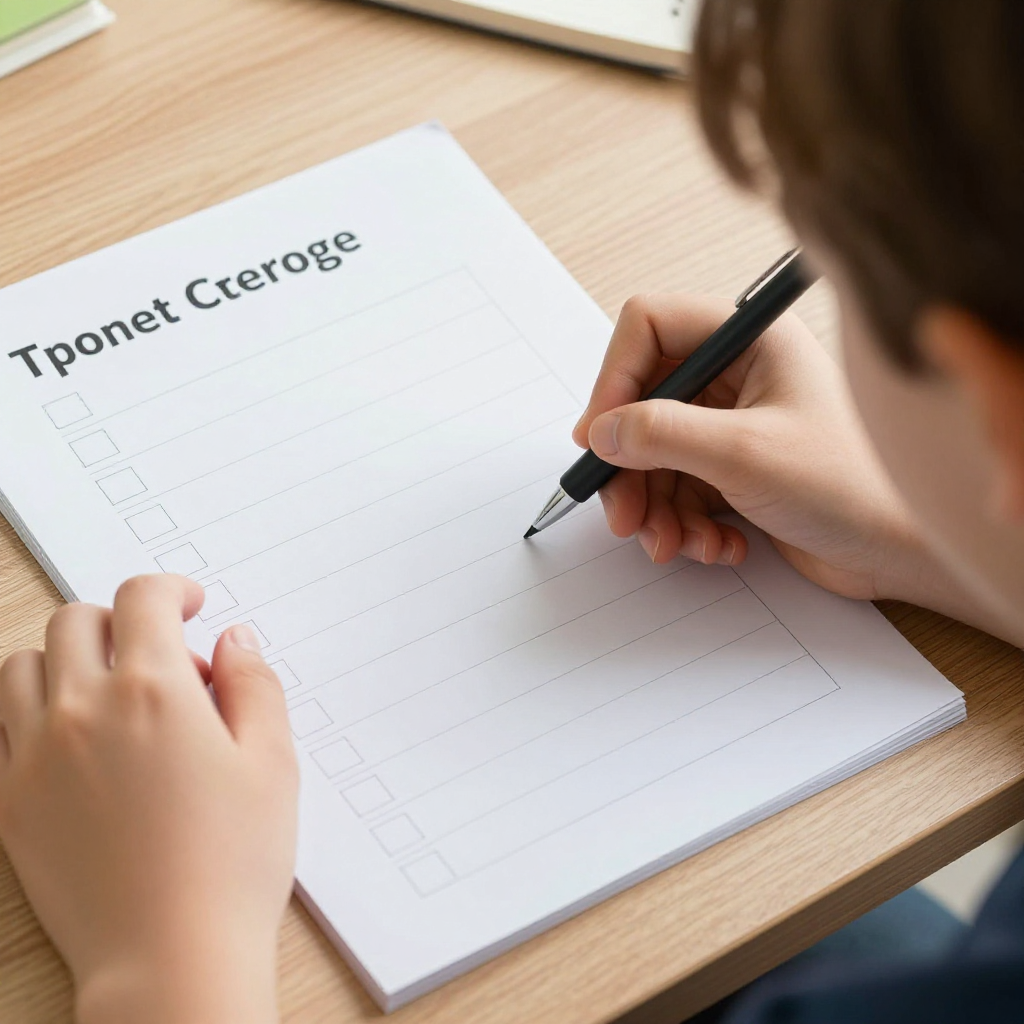
- visual schedules, written directions, and step-by-step checklists;
- graph paper, adapted pencils, keyboarding, or occupational therapy strategies;
- frequent brief breaks and confirmation that instructions were understood.
An accommodation should match the barrier. Extra time may help a child whose reading is slow, but it will not teach decoding. Text-to-speech may provide access to grade-level content, while explicit reading instruction develops independent skills. Teams should review whether a support is used, useful, and appropriate across subjects. In some settings, a 504 plan, learning support plan, or other formal arrangement may provide accommodations even when specialized instruction is not required.
When to Seek Professional Guidance
Seek professional guidance when persistent learning difficulties affect progress, confidence, participation, or daily functioning despite reasonable support. Early discussion can prevent months of repeated failure and help adults respond before frustration becomes entrenched.
Begin with the child’s teacher or school support team. Share specific examples: how long homework takes, which instructions cause confusion, whether performance changes in a quiet room, and what strategies have helped. A pediatric professional can consider vision, hearing, sleep, language, attention, motor, or developmental factors and refer to appropriate specialists.
Do not wait for a child to fail an entire year before requesting information. Keep copies of work samples, assessment reports, and communication with school staff. A second opinion may be reasonable when results do not match everyday functioning or recommendations are too vague to implement.
Support should protect dignity. Explain difficulties as skills that need a different route or more practice, and involve the child in choosing tools where possible. With coordinated instruction and realistic accommodations, children with learning disabilities can strengthen academic skills, confidence, and independence.
Frequently Asked Questions
Are learning disabilities lifelong?
Learning disabilities generally reflect long-term differences in how the brain processes information, but their impact can change significantly. Explicit instruction, assistive technology, accommodations, and accumulated strategies may make school and daily tasks much more manageable.
Can a child have more than one learning disability?
Yes. A child may have overlapping difficulties, such as dyslexia and dysgraphia, or a learning disability alongside attention, speech-language, motor, or developmental needs. Assessment should consider the complete pattern rather than forcing one explanation.
Are learning disabilities the same as intellectual disabilities?
No. A specific learning disability affects particular academic or processing skills, while intellectual disability involves broader differences in intellectual functioning and adaptive behavior. A child with a learning disability can have average or advanced abilities in many areas.
How are learning disabilities diagnosed?
Identification usually combines developmental and educational history, observation, school data, and standardized assessment by qualified professionals. Requirements vary by country, state, school system, and type of support being requested.
What can parents do to support learning at home?
Keep routines predictable, use short focused practice, read aloud, provide accessible tools, break tasks into steps, and praise effective effort and strategy. Maintain regular communication with educators so home and school support the same priority skills.