Creating Inclusive Classrooms: Practical Tips for Teachers

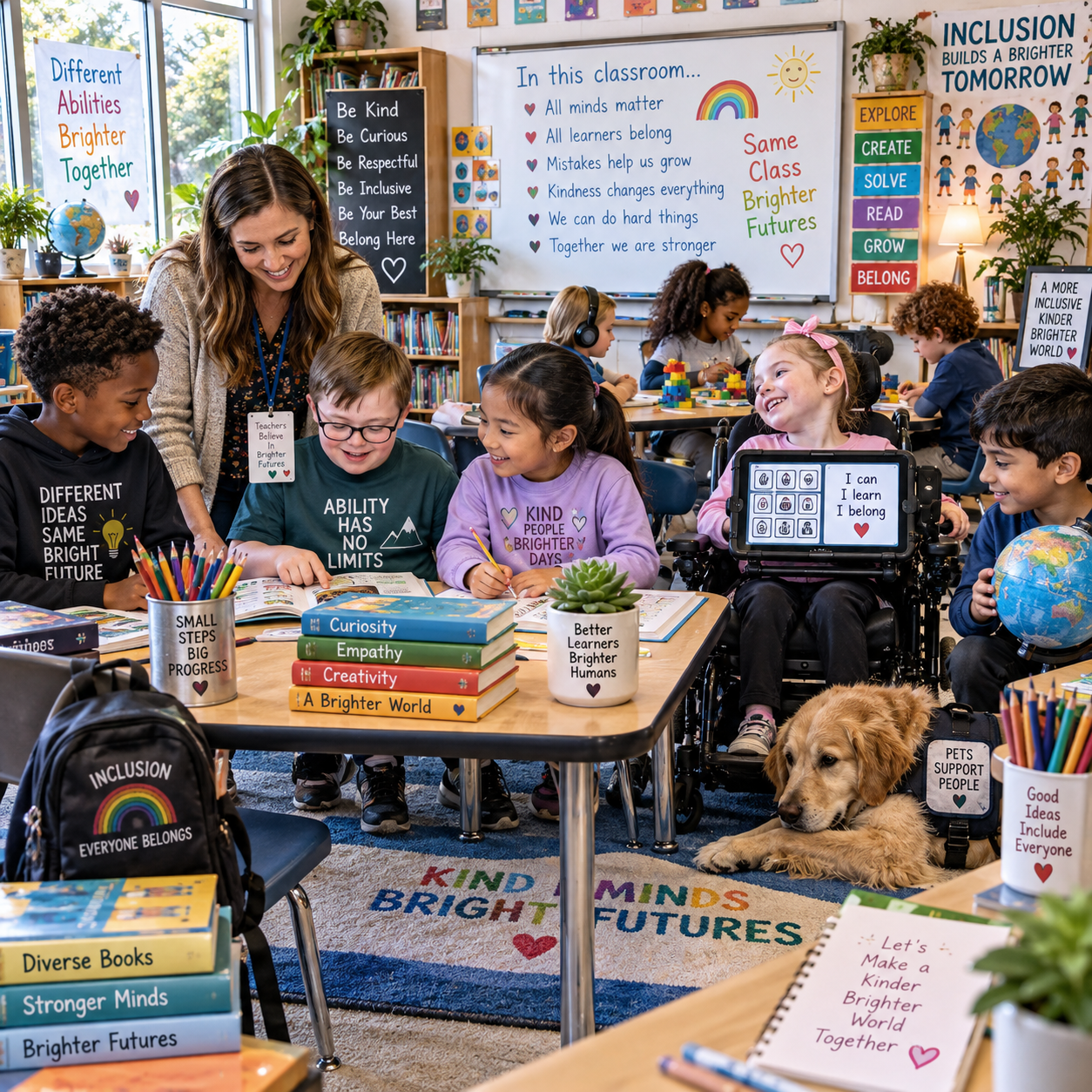
Creating an inclusive classroom means designing learning so every student can access instruction, participate meaningfully, and feel that they belong. The goal is shared learning with flexible routes to success, including thoughtful support for students with special educational needs and diverse developmental profiles.
Inclusion is an ongoing practice rather than a single classroom arrangement. Small choices, such as displaying a visual schedule, offering response options, or teaching classmates how to include one another, can remove barriers without requiring a large budget.
What an Inclusive Classroom Looks Like
An inclusive classroom gives every student access to learning, meaningful participation, a sense of belonging, and appropriately high expectations. Students may receive different supports while working toward shared, worthwhile goals.
Inclusive education recognizes that equality and equity are different. Equality gives everyone the same resource; equity provides each learner with the tools needed to use that resource successfully. One student might need text-to-speech, another may need extra processing time, and another may need a quiet workspace.
Look for these practical signs of an inclusive classroom:
- Students can enter, move around, communicate, and use materials safely.
- Lessons include more than one way to engage with ideas and show understanding.
- Classroom language respects disability, culture, language, identity, and individual choice.
- Peers work together without treating one student as a project or helper assignment.
- Teachers maintain high expectations while adjusting supports, timing, or output methods.
Inclusion does not mean that every student completes an identical task in an identical way. It means each student is treated as a capable member of the learning community and receives appropriate access to the curriculum.
Get to Know Students’ Strengths and Support Needs
To support students well, begin with their strengths, interests, communication styles, learning preferences, developmental needs, and existing support plans. This information helps teachers choose useful supports instead of making assumptions based on a diagnosis or visible behavior.
Start with a brief strengths-and-barriers profile for each learner. Record what captures the student’s attention, how they communicate, what helps them begin work, and which situations create unnecessary difficulty. Ask the student directly when possible. Student voice is especially valuable for older learners and for children who use augmentative and alternative communication.
Review relevant information in an Individualized Education Program (IEP) or other student support plan. Focus on practical classroom implications: communication goals, accommodations, sensory needs, assistive technology, participation supports, and assessment arrangements. An IEP should guide collaboration, not define the whole child.
Useful questions include:
- What does this student already do confidently?
- How does the student show that they understand?
- What helps them transition between activities?
- Which barriers come from the task or environment rather than the student?
- What choices can increase autonomy without reducing necessary structure?
Observe patterns across several days before changing a strategy. A student who avoids writing may understand the content but struggle with fine-motor demands, language formulation, fatigue, or fear of public mistakes. Identifying the actual barrier leads to a more accurate accommodation.
Use Differentiated Instruction and Universal Design for Learning
Differentiated instruction adjusts teaching, practice, or outcomes to meet learner needs, while Universal Design for Learning (UDL) plans multiple options from the start for engagement, information access, and demonstrating understanding.
UDL is useful because it reduces the need to create a separate solution after a student encounters a barrier. A science lesson, for example, might include a short teacher explanation, labeled diagrams, a model, hands-on materials, and an audio version of key vocabulary. Students could explain their learning through writing, speech, a diagram, or a recorded presentation, depending on the goal.
Plan each lesson through three questions:
- Engagement: How can students connect with the topic? Offer choice of examples, partners, tools, or task order when appropriate.
- Representation: How will students access information? Combine clear speech, visuals, demonstrations, concrete objects, captions, and accessible digital text.
- Action and expression: How can students show understanding? Permit selected combinations of writing, speaking, drawing, building, typing, or assistive technology.
Differentiation can also change the level of scaffolding. Provide a worked example, sentence starters, a vocabulary bank, chunked directions, or guided practice, then reduce support as independence grows. The trade-off is preparation time, so begin with one high-impact change per lesson rather than redesigning everything at once.
Authoritative guidance on UDL is available through CAST’s UDL Guidelines, which organize planning around learner variability and flexible access.
Make the Classroom Physically and Sensory Accessible
An accessible classroom removes physical, visual, auditory, communication, and sensory barriers through predictable organization, flexible seating, clear materials, and calm options for regulation.
Walk through the room from a student’s perspective. Check whether pathways are clear, frequently used materials are reachable, lighting creates glare, and seating allows students to see displays and peers. A student who uses mobility equipment may need more than a place at a desk; they need an unobstructed route to group work, technology, and shared materials.
Use visual structure to make the day easier to understand:
- Post a simple visual schedule and mark changes clearly.
- Display first-then directions for tasks with several steps.
- Use consistent symbols for help, break, finished, and choice.
- Provide instructions in short spoken and written forms.
- Give transition warnings with a timer, verbal cue, or visual signal.
Sensory accessibility may involve a quieter work area, headphones, natural light, movement opportunities, reduced visual clutter, or permission to use a discreet fidget. These supports should not become public rewards or punishments. Teach students how to choose a regulation tool and return to learning when ready.
Check digital and printed materials too. Use readable fonts, strong contrast, descriptive headings, captions, alt text where appropriate, and documents that work with screen readers. Accessibility improves the experience for many students, including those learning a new language or working under temporary stress.
Build a Respectful and Supportive Classroom Community
A supportive classroom community explicitly teaches belonging, empathy, communication, and respectful disagreement; it does not assume that children will develop these skills without guidance.
Establish a few positively worded agreements, such as listening to understand, respecting personal space, and making room for different communication methods. Model what those agreements look like during group work. A student who uses a device, sign language, gestures, or extra processing time should not be rushed or spoken over.
Plan peer interaction rather than relying on spontaneous friendship. Use rotating roles such as questioner, materials manager, illustrator, or reporter, and allow students to select roles that match the learning goal. Avoid assigning one child permanent responsibility for assisting a classmate; that can create dependence and unequal status.
Social-emotional learning can support inclusion through lessons on identifying feelings, solving problems, requesting help, and recognizing different perspectives. Practice scripts such as, Would you like help or more time? and Can we find another way to include everyone?
Respond to exclusion promptly. Name the behavior, explain its impact, repair the relationship when possible, and teach a replacement action. Never make a student disclose a disability to justify their needs. Belonging grows when differences are treated as ordinary parts of the classroom rather than spectacles.
Adapt Assessment, Participation, and Classroom Expectations
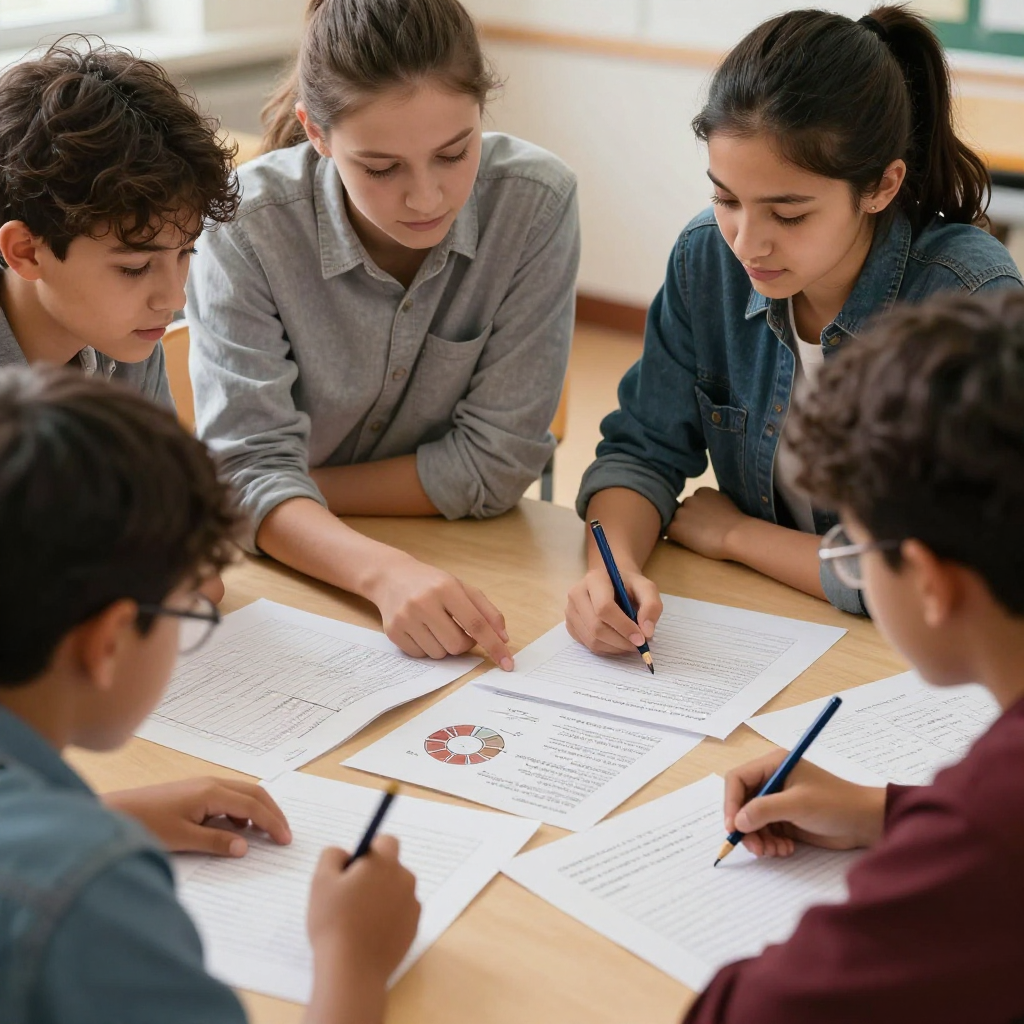
Effective accommodations change access, timing, format, or conditions while preserving the learning target whenever possible. They support participation and fair measurement; they do not automatically lower expectations.
First identify what the assessment is meant to measure. If the goal is understanding a historical cause, requiring lengthy handwriting may add an unrelated barrier. A student might demonstrate the same understanding through typed responses, speech-to-text, an oral explanation, or a structured graphic organizer.
Practical accommodations may include:
- Extended time or planned movement breaks.
- Reduced visual clutter and one section of a worksheet at a time.
- Directions read aloud, repeated, or accompanied by examples.
- Alternative response formats, including assistive technology.
- Small-group testing or a quieter location when specified in a support plan.
- Check-ins that confirm the next step without giving the answer.
Participation can be flexible too. Offer think time before discussion, private response cards, partner rehearsal, or recorded contributions. Keep classroom expectations clear and consistent, then adjust the route when a student encounters a disability-related or developmental barrier.
A common mistake is confusing compliance with learning. A student may sit quietly and still be unable to access the task, while another may move, speak differently, or use a device and remain deeply engaged. Assess the quality of participation, not just its appearance.
Partner With Families and Support Professionals
Family and specialist collaboration works best when teachers share specific observations, listen to caregiver knowledge, and coordinate classroom strategies with the student’s support plan.
Begin communication with something the student is doing well. Then describe an observable situation rather than applying a label: During independent reading, Maya selected the audio option and completed four questions is more useful than Maya is unmotivated. Ask what works at home, what language the family prefers, and how the student communicates needs.
Coordinate with special educators, speech-language therapists, occupational therapists, school psychologists, counselors, and other support staff within appropriate privacy procedures. Agree on a small number of shared strategies, such as a visual transition cue or a consistent prompt hierarchy. Too many disconnected interventions can confuse students and overwhelm teachers.
Use a simple collaboration cycle:
- Define the barrier and the desired participation outcome.
- Choose one strategy and identify who will use it.
- Collect brief evidence, such as task completion, communication attempts, or transition time.
- Review the result with the student, family, and relevant professionals.
- Keep, adapt, or replace the strategy based on evidence.
Families are partners, not merely recipients of progress reports. Respect cultural knowledge, avoid jargon, and make space for disagreement. The most effective inclusive classrooms combine teacher expertise, specialist knowledge, family insight, and the student’s own preferences.
Frequently Asked Questions About Inclusive Classrooms
What is an inclusive classroom?
An inclusive classroom is a learning environment where students with different abilities, identities, backgrounds, and developmental needs learn together with meaningful access, participation, belonging, and appropriate support.
How can teachers support students with special educational needs?
Teachers can review the student’s IEP or support plan, learn the student’s strengths and communication preferences, use differentiated instruction, provide accommodations, teach predictable routines, and collaborate with families and specialists.
What are practical examples of classroom accommodations?
Examples include visual directions, extended time, movement breaks, accessible seating, reduced-distraction spaces, speech-to-text, captions, alternative response formats, chunked tasks, and planned check-ins.
How does Universal Design for Learning support inclusion?
UDL supports inclusion by offering multiple ways for students to engage with learning, access information, and demonstrate understanding. This flexible design anticipates learner variability instead of waiting for barriers to appear.
How can teachers encourage peer acceptance and belonging?
Teach respectful interaction directly, structure cooperative roles, model inclusive language, address exclusion immediately, and provide varied ways for students to contribute. Never require a student to disclose personal information to earn acceptance.